A Deep Dive into the History of Barrel Gauges in the United States
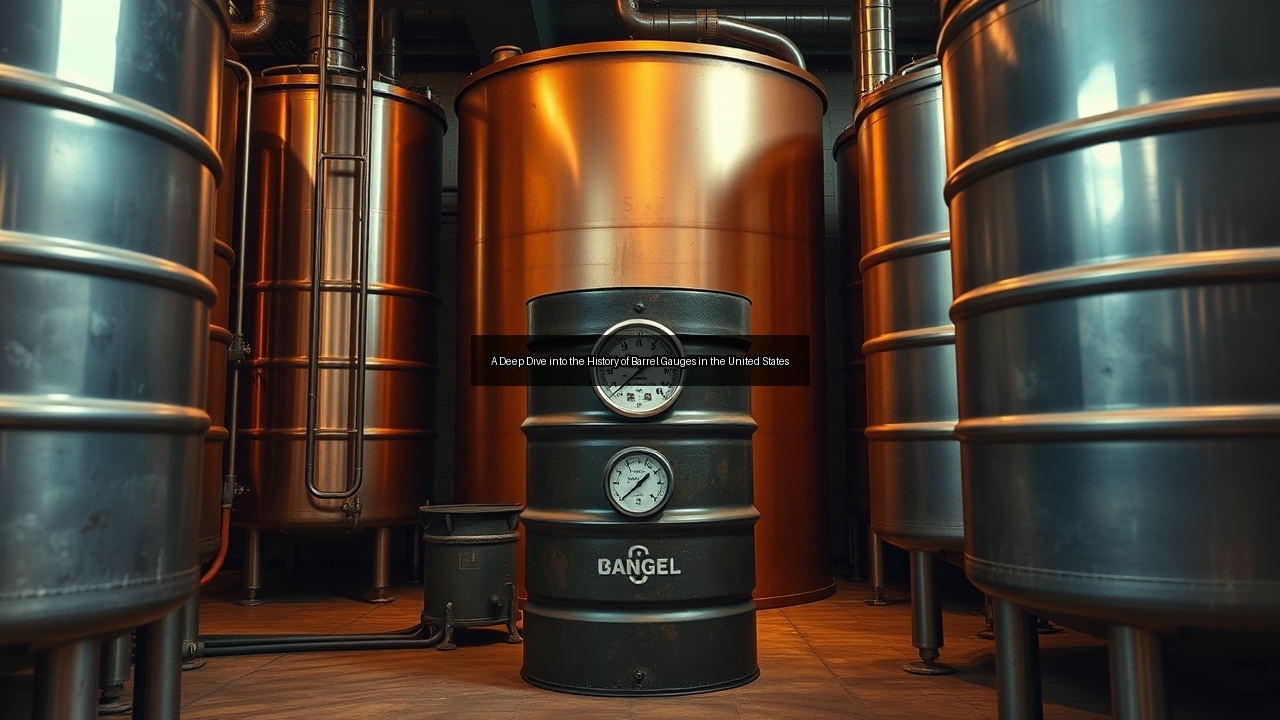
The Evolution of Barrel Gauges in the United States
Early Innovations in Measurement
The history of barrel gauges in the United States traces back to the early days of the industrial revolution. During this time, the need for precise measurement became crucial, especially in industries dealing with liquids and bulk materials. Early innovations included simple mechanical devices that allowed operators to estimate the contents of barrels and tanks. These rudimentary gauges often relied on visual cues and manual calculations, leading to inconsistencies and inaccuracies. As commerce expanded and regulations tightened, the demand for more reliable measuring tools surged. Innovators began developing more sophisticated mechanisms, paving the way for modern barrel gauges.
The Influence of Industry Standards
Standardization played a pivotal role in the evolution of barrel gauges in the United States. Organizations like the National Institute of Standards and Technology (NIST) established guidelines that defined measurement practices across various industries. These standards ensured that barrel gauges met specific accuracy requirements, enhancing trust in the measurement process. Manufacturers began producing gauges that adhered to these standards, boosting their credibility and market acceptance. The establishment of industry standards also fostered competition among gauge manufacturers, driving innovation and leading to the development of a variety of barrel gauges tailored to specific needs.
Technological Advancements in Gauging Systems
The late 20th century ushered in a wave of technological advancements in gauging systems. The introduction of electronic and digital barrel gauges revolutionized measurement accuracy. These modern gauges often feature sensors that provide real-time data, significantly reducing human error. Innovations such as ultrasonic and laser-based systems emerged, offering non-intrusive measurement methods that enhanced safety and efficiency. The integration of computer technology allowed for data logging and analysis, facilitating better inventory management in industries that rely heavily on barrel gauges. As businesses recognized the advantages of these advancements, the transition from mechanical to digital gauges became increasingly prevalent.
Types of Barrel Gauges and Their Applications
Mechanical vs. Digital Gauges
Barrel gauges come in various types, with mechanical and digital gauges being the most common. Mechanical gauges, often using float systems or pressure sensors, provide a straightforward visual representation of contents. These gauges are durable and reliable, making them suitable for environments where electronic devices might fail due to harsh conditions. On the other hand, digital gauges offer enhanced precision and often come with additional features like remote monitoring and integration with inventory systems. The choice between mechanical and digital gauges depends on the specific requirements of the application, including accuracy, environmental factors, and budget constraints.
Specialized Gauges for 55 Gallon Drums
The 55-gallon drum is a standard container in many industries, prompting the development of specialized barrel gauges tailored for these units. These gauges account for the unique dimensions and volume of the drum, ensuring accurate measurement of liquids or solids contained within. Manufacturers design these gauges with features that facilitate easy reading and maintenance. Some models include built-in temperature compensation to account for changes in liquid density, further enhancing their accuracy. Industries such as oil and gas, agriculture, and chemical manufacturing rely heavily on these specialized gauges to manage inventory and ensure compliance with safety regulations.
Applications in Industrial Tanks
Beyond barrel gauges, various gauging systems apply to larger industrial tanks. These tanks often store significant quantities of liquids, necessitating reliable measurement tools. Level measurement technologies such as radar and capacitance gauges provide high precision in these large-scale applications. The choice of gauge depends on the tank's contents, size, and operational environment. For example, a chemical processing facility may opt for a gauge that can withstand corrosive materials, while a water treatment plant may prioritize cost-effectiveness and reliability. Accurate measurement in these tanks is crucial for operational efficiency and regulatory compliance.
The Importance of Accurate Measurement
Impact on Safety and Compliance
Accurate measurement using barrel gauges plays a vital role in ensuring safety and compliance across various industries. In sectors such as oil and gas, any miscalculation can lead to overfills, spills, and hazardous situations. Regulatory bodies impose strict guidelines on measuring practices, making it essential for companies to invest in reliable gauging systems. Accurate measurements help maintain safe operating conditions, reducing the risk of accidents. Compliance with industry standards not only safeguards workers but also protects the environment from potential harm caused by spills or leaks.
Economic Implications of Mismeasurement
The economic implications of inaccurate measurements can be substantial. Mismeasurement often leads to product losses, wasted resources, and financial penalties. For instance, in the food and beverage industry, underfilling or overfilling barrels can result in regulatory fines and damage to a company’s reputation. Moreover, inaccurate inventory measurements can disrupt supply chains, leading to stock shortages or overstock situations. Businesses that prioritize accurate measurements through reliable barrel gauges can optimize operations, reduce costs, and enhance profitability.
Case Studies of Gauge Failures
Several notable case studies highlight the consequences of gauge failures. One instance involved a chemical manufacturing plant where a faulty barrel gauge led to an overfill situation, resulting in a significant spill. The incident not only caused environmental damage but also incurred hefty fines and repair costs. Another case in the oil sector illustrated the dangers of relying on outdated mechanical gauges, which failed to provide accurate readings, leading to a dangerous overpressure situation. These examples underscore the critical need for accurate and reliable barrel gauges to prevent costly mistakes and ensure safe operations.
Future Trends in Barrel Gauging Technology
Integration of IoT and Smart Gauges
The future of barrel gauging technology lies in the integration of the Internet of Things (IoT) and smart gauges. These innovations allow for real-time monitoring and data analytics, providing companies with valuable insights into their inventory and operations. Smart gauges can communicate with other devices, enabling automated alerts for low levels or potential issues. This connectivity enhances operational efficiency and aids in proactive maintenance, ultimately reducing downtime. As industries continue to embrace digital transformation, the demand for IoT-enabled barrel gauges will likely increase, driving further innovation in gauging systems.
Sustainability in Measuring Practices
Sustainability has become a focal point for many industries, influencing how barrel gauges are designed and utilized. Companies are increasingly seeking measuring solutions that minimize waste and reduce environmental impact. Innovations in material science have led to the development of environmentally friendly gauges, which are both durable and recyclable. Additionally, accurate measurement practices contribute to sustainability by reducing overproduction and waste. The push for greener operations will likely drive demand for barrel gauges that align with sustainability goals, emphasizing efficiency and eco-friendliness.
The Role of Automation in Gauge Systems
Automation is reshaping the landscape of barrel gauging technology. Automated systems can streamline measurement processes, reducing the need for manual input and minimizing human error. These systems can integrate with existing production lines, allowing for seamless data collection and analysis. The rise of machine learning algorithms further enhances automation, enabling predictive maintenance and real-time adjustments based on operational data. As industries seek to improve efficiency and reduce costs, the role of automation in barrel gauging systems will continue to grow, paving the way for smarter, more efficient measuring practices.
See Also
- The Essential Guide to Choosing the Right Barrel Gauge for Your Needs
- Barrel Gauge Best Practices for Oil and Chemical Industries
- Why Barrel Gauges Are Critical for Compliance in Hazardous Materials
- The Environmental Impact of Accurate Measurements with Barrel Gauges
- Top 5 Barrel Gauge Brands You Should Know About