Top Features to Look for in a Commercial Dehumidifier
Understanding the Importance of Commercial Dehumidifiers
The Role of Humidity Control in Commercial Spaces
Humidity control is vital for commercial spaces, impacting both the environment and the operations within. Excess moisture can lead to a range of problems, from structural damage to health risks. High humidity levels foster mold growth, which can severely affect indoor air quality and pose health risks to employees and customers. A commercial dehumidifier plays a crucial role in maintaining optimal humidity levels, ensuring a comfortable atmosphere while protecting assets. Businesses such as warehouses, spas, and construction sites benefit significantly from effective humidity control, as it prevents moisture-related issues and enhances overall operational efficiency.
Impact of Moisture on Construction and Warehouses
Moisture poses significant risks in construction and warehouse environments. In construction, excess humidity can delay project timelines, as wet materials take longer to dry and can compromise structural integrity. For warehouses, high moisture levels can damage products, particularly sensitive items like electronics and textiles. A robust commercial dehumidifier helps mitigate these risks, maintaining low humidity levels that protect stored goods and equipment. Additionally, it aids in the drying process of construction materials, facilitating timely project completion. Proper humidity control ensures that both construction and warehouse operations run smoothly, minimizing financial losses and safeguarding investments.
Common Applications: From Spas to Flood Recovery
Commercial dehumidifiers find applications across various sectors, from spas to flood recovery efforts. In spas, maintaining a comfortable humidity level is essential for guest satisfaction and equipment longevity. Excess moisture can lead to mold growth and damage to facilities. In flood recovery, commercial dehumidifiers play a critical role in restoring affected spaces by rapidly removing excess water, preventing mold and structural damage. Other applications include museums, data centers, and food storage facilities, where humidity control is essential for preserving artifacts, equipment, and perishable goods. The versatility of commercial dehumidifiers makes them indispensable in diverse environments, ensuring optimal conditions for both people and products.
Key Features to Consider in a Commercial Dehumidifier
Capacity and Pints: Finding the Right Size for Your Space
Choosing the right capacity in a commercial dehumidifier is essential for effective moisture control. Dehumidifiers are rated by their capacity to remove moisture, typically measured in pints per day. Understanding the specific needs of your space, whether it’s a large warehouse or a smaller spa, will guide your selection. Larger spaces require units with a higher pints capacity to ensure efficient dehumidification. Conversely, smaller areas might only need a commercial dehumidifier with a lower capacity. Assessing factors such as the size of the space, the amount of moisture generated, and the climate will help in selecting the appropriate unit, optimizing moisture removal and maintaining a dry environment.
Energy Efficiency: The Importance of Energy Star Ratings
Energy efficiency remains a critical factor when selecting a commercial dehumidifier. An Energy Star rating indicates that the unit meets strict energy efficiency guidelines set by the U.S. Environmental Protection Agency. Energy-efficient models not only reduce energy costs but also minimize environmental impact. When operating in commercial spaces, these dehumidifiers consume less electricity while maintaining effective moisture removal. This is particularly important for businesses focused on sustainability and cost management. Investing in an energy-efficient commercial dehumidifier can lead to significant savings over time, making it a smart choice for organizations aiming to improve their bottom line while adhering to eco-friendly practices.
Airflow and CFM: Ensuring Effective Dehumidification
Airflow capacity, measured in cubic feet per minute (CFM), plays a vital role in the effectiveness of a commercial dehumidifier. Sufficient airflow allows for rapid moisture removal, ensuring that dehumidified air circulates effectively throughout the space. A unit with a high CFM rating can cover larger areas more efficiently, making it an ideal choice for expansive warehouses and open-plan offices. When selecting a commercial dehumidifier, consider the layout and size of your space to ensure optimal airflow. Proper circulation not only enhances dehumidification but also contributes to improved indoor air quality, creating a healthier environment for employees and customers alike.
Operational Aspects of Commercial Dehumidifiers
Pump and Hose Options: Enhancing Water Removal
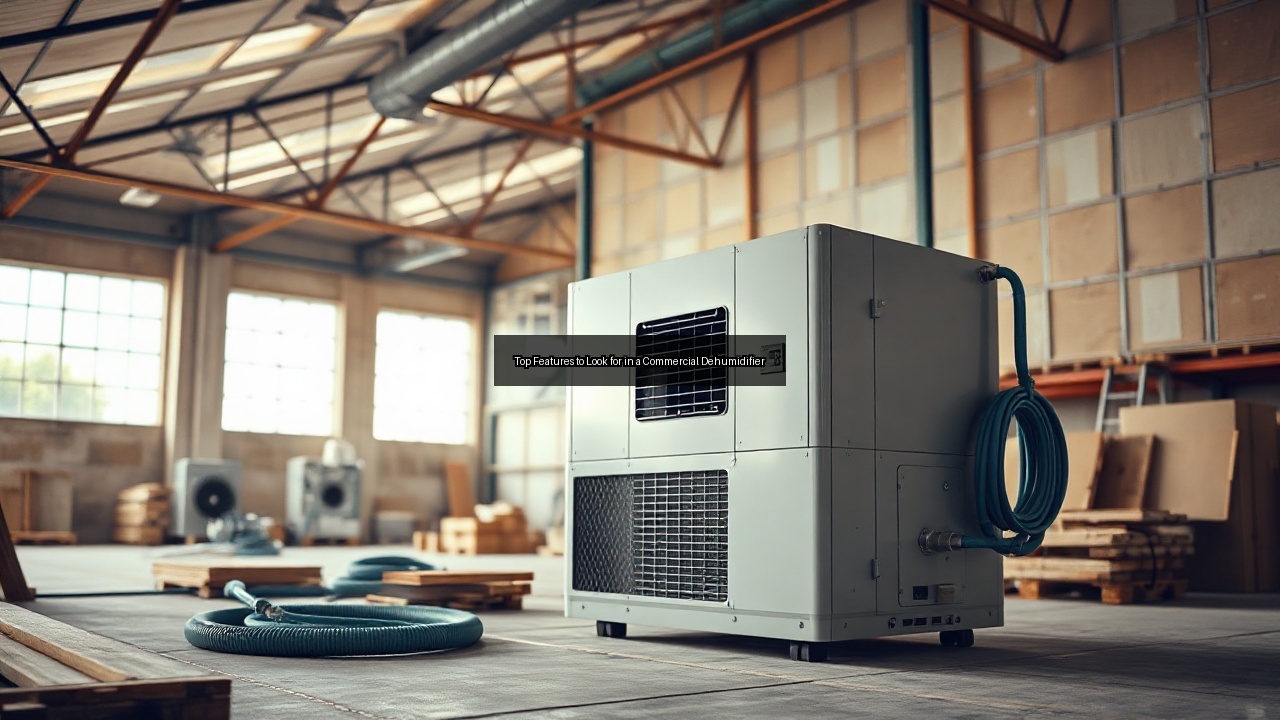
Effective water removal is an essential feature of any commercial dehumidifier. Many units offer pump and hose options, allowing for continuous drainage without the need for manual emptying. A built-in pump can automatically expel water to a nearby drain, enhancing convenience and efficiency. For applications where gravity drainage isn’t feasible, a unit equipped with a pump becomes invaluable. Additionally, hose options can be useful for directing water to specific locations. Assessing your drainage needs will help determine the best setup for your dehumidifier, ensuring that it operates efficiently while minimizing downtime and labor associated with maintenance.
Sound Pressure Level: Balancing Noise and Efficiency
Noise levels in commercial environments can significantly impact the comfort of employees and customers. When selecting a commercial dehumidifier, consider the sound pressure level (SPL) it generates during operation. A quieter unit allows for uninterrupted work and a more pleasant atmosphere, particularly in settings like offices, spas, or retail spaces. While some high-capacity models may produce more noise, many manufacturers offer quieter options that balance performance with sound control. Evaluating the noise level alongside the dehumidification capacity will ensure that the chosen unit meets both operational needs and comfort standards.
Temperature and Heat Management in Dehumidification
Temperature and heat management are critical aspects of the dehumidification process. During dehumidifiers for commercial operation, commercial dehumidifiers can generate some heat, which might affect indoor temperature. Understanding how a unit interacts with the ambient environment is essential, particularly in spaces that require precise climate control. Some dehumidifiers come equipped with features that help manage temperature, such as adjustable thermostats and fans that circulate air. This ensures that while humidity levels decrease, the overall comfort of the space remains intact. Selecting a dehumidifier with effective temperature management features can enhance its efficiency and prolong the lifespan of both the unit and the environment it serves.
Maintaining Efficiency in Commercial Dehumidifiers
Regular Maintenance for Optimal Performance
Regular maintenance is crucial for the long-term performance of commercial dehumidifiers. Routine checks on filters, pumps, and hoses ensure that the unit operates at peak efficiency. Clogged filters can impede airflow, reducing the effectiveness of dehumidification and increasing energy consumption. Cleaning or replacing filters as recommended by the manufacturer maintains optimal airflow and efficiency. Additionally, inspecting and cleaning the pump and drainage system prevents clogs and ensures effective water removal. Establishing a maintenance schedule can help identify issues early, prolong the life of the dehumidifier, and maintain a dry and comfortable environment in commercial spaces.
Identifying Mold and Moisture Issues
Identifying mold and moisture issues early is essential for preventing extensive damage and health risks. Regular inspections of commercial spaces can reveal signs of excess moisture, such as water stains, musty odors, or visible mold growth. Implementing a proactive approach to monitoring humidity levels helps businesses react swiftly to potential problems. A commercial dehumidifier acts as a crucial tool in this aspect, maintaining humidity levels within safe limits and reducing the risk of mold development. Training staff to recognize signs of moisture buildup can enhance overall awareness and contribute to a healthier environment.
Integrating with HVAC Systems for Enhanced Results
Integrating a commercial dehumidifier with existing HVAC systems can yield enhanced results in humidity control. This integration allows for a more comprehensive approach to climate management, ensuring that both temperature and humidity levels remain within optimal ranges. By working in tandem, the dehumidifier can take on the moisture load, allowing the HVAC system to focus on temperature regulation. This collaboration leads to improved energy efficiency and enhanced indoor air quality. Businesses should consult with HVAC professionals to develop an integrated approach that maximizes the benefits of both systems, ensuring a comfortable and healthy environment for occupants.
See Also
- Choosing the Right Ton Capacity for Your Commercial Dehumidifier
- Transform Your Spa Experience with a High-Quality Commercial Dehumidifier
- The Benefits of Investing in a High-Capacity Commercial Dehumidifier
- How a Commercial Dehumidifier Can Save You Money on Energy Bills
- Dehumidifier Pumps vs. Hoses Which is Right for Your Commercial Setup