Unveiling the Secrets of OEM vs Aftermarket Blower Housings
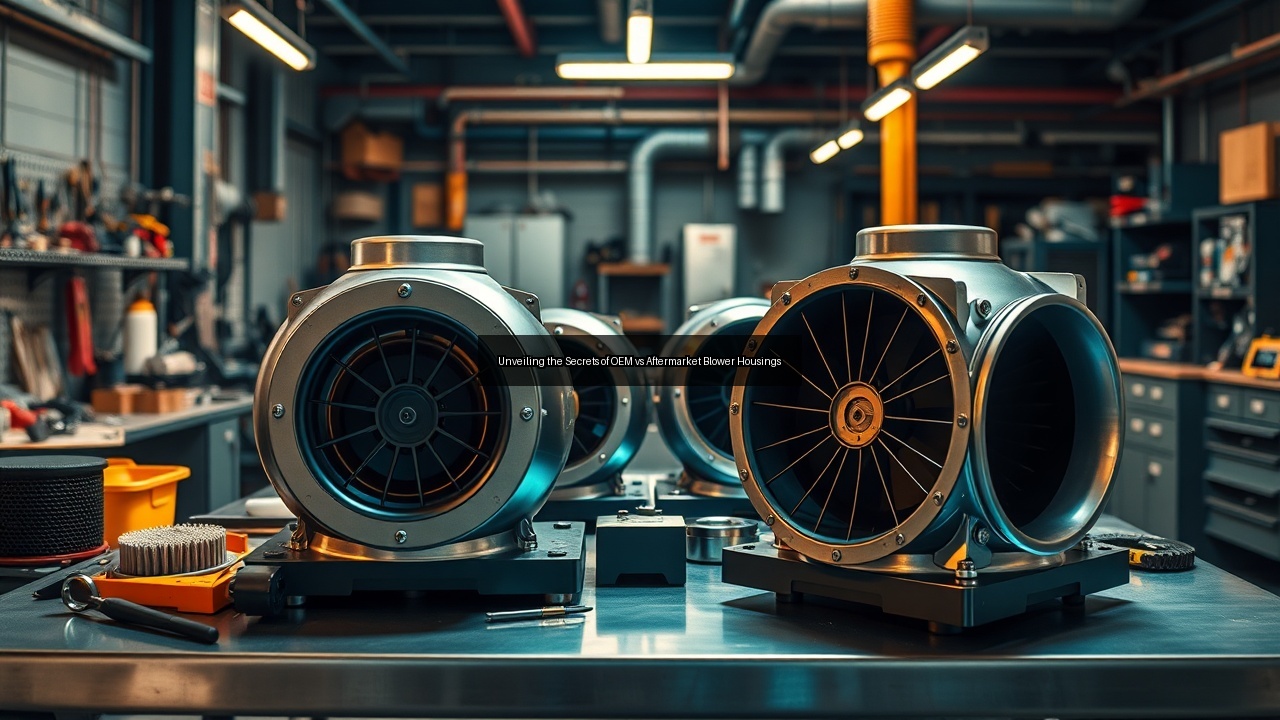
Understanding the Importance of Blower Housings in HVAC Systems
Role of Blower Housings in HVAC Efficiency
Blower housings serve as critical components in HVAC systems, impacting overall efficiency and performance. They house the blower motor and fan assembly, directing airflow throughout the blower housing assembly system. An efficiently designed blower housing optimizes airflow patterns, enhancing the heating and cooling processes within a furnace or air conditioner. Poorly designed or damaged blower housings can lead to air leaks, reduced airflow, and increased energy consumption. Therefore, selecting the right blower housing is essential for maintaining optimal HVAC efficiency, ensuring that the system operates smoothly and effectively.
Types of Blower Housings: OEM vs Aftermarket
Two primary types of blower housings exist in the market: OEM (Original Equipment Manufacturer) and aftermarket options. OEM blower housings are made by the original manufacturer of the HVAC system, ensuring compatibility and reliability. They typically meet stringent quality standards set by the manufacturer. On the other hand, aftermarket blower housings are produced by third-party companies. While they can offer cost savings and alternative features, they may not always match the specifications of OEM parts. Understanding these differences is crucial for making informed decisions about HVAC blower housing replacements.
Key Components: Ball Bearings, Cages, and Motors
Blower housings contain several key components that contribute to their functionality. Ball bearings support the blower motor, allowing it to spin smoothly and efficiently. A well-constructed cage surrounds the blower fan, ensuring that it remains securely in place while facilitating optimal airflow. The blower motor is the powerhouse, driving the fan to circulate air throughout the HVAC system. Each of these components plays a vital role in the overall performance of the blower housing. Regular maintenance of these parts can prevent wear and tear, prolonging the lifespan of the HVAC system.
Comparing OEM and Aftermarket Blower Housings
What is OEM Blower Housing?
OEM blower housing refers to parts that are manufactured by the original company that produced the HVAC system. These components are designed to meet the exact specifications set by the manufacturer, ensuring a perfect fit and compatibility. Using OEM parts minimizes the risk of malfunctions and inefficiencies, as they are built to the same standards as the original components. Homeowners can feel confident that OEM blower housings will work seamlessly with their HVAC systems, maintaining performance and reliability over time.
Advantages of OEM Blower Housings
Opting for OEM blower housings presents several advantages. First, they come with a warranty, providing peace of mind that if any issues arise, the manufacturer will cover repairs or replacements. Second, OEM parts often have a proven track record of reliability, as they are subject to rigorous testing and quality control measures. Additionally, using OEM components blower fans can enhance the resale value of your HVAC system, as prospective buyers often prefer systems with original parts. Finally, OEM blower housings typically integrate better with existing components, reducing the likelihood of compatibility issues.
Exploring Aftermarket Blower Housings
Aftermarket blower housings are produced by third-party manufacturers and may offer unique features or cost savings compared to OEM options. These housings can sometimes provide enhanced airflow or improved durability due to different materials or design innovations. Homeowners and HVAC professionals might consider aftermarket options for specific applications where performance enhancements are beneficial. However, the variability in quality means that thorough research is essential. Not all aftermarket products meet the high standards found in OEM parts, leading to potential risks in performance and reliability.
Pros and Cons of Aftermarket Options
Aftermarket blower housings come with both advantages and disadvantages. On the positive side, they often cost less than OEM parts, appealing to budget-conscious consumers. Some aftermarket manufacturers focus on performance upgrades, providing options that can improve airflow and efficiency. However, the downsides include inconsistent quality and compatibility issues with existing HVAC components. Without a robust warranty, homeowners may face additional costs for repairs or replacements if aftermarket parts fail. Evaluating these pros and cons is crucial for those considering aftermarket blower housings for their HVAC systems.
Impact of Blower Housing on HVAC Performance
How Blower Housing Affects Airflow and Heating
Blower housings significantly influence airflow patterns and heating efficiency in HVAC systems. An optimal blower housing design facilitates smooth air passage, maximizing the system's ability to distribute heated or cooled air. If the housing is poorly designed or damaged, airflow can be restricted, leading to uneven heating or cooling throughout a space. This situation not only diminishes comfort levels but also increases energy consumption as the system works harder to maintain desired temperatures. Regular inspections of blower housings help ensure that any obstructions or inefficiencies are addressed promptly, maintaining HVAC performance.
Influence on Furnace and Air Conditioner Functionality
The functionality of furnaces and air conditioners heavily relies on the effectiveness of their blower housings. For furnaces, the blower housing plays a critical role in circulating warm air throughout the home. In air conditioners, it ensures that cooled air reaches every corner of the space. Any malfunction in the blower housing can lead to inadequate heating or cooling, forcing the system to operate inefficiently. Homeowners should prioritize the maintenance of their blower housings, as this can prevent costly repairs and extend the lifespan of their HVAC systems.
Maintenance Tips for Optimal Performance
Regular maintenance of blower housings is essential for ensuring optimal HVAC performance. Start by checking for any visible signs of wear, such as cracks or corrosion. Cleaning the blower fan and housing can eliminate dust and debris that might obstruct airflow. Additionally, lubricating ball bearings can reduce friction and enhance motor performance. Changing air filters regularly also contributes to overall system efficiency by preventing dust buildup in the blower housing. Scheduling professional inspections periodically ensures that any potential issues are caught early, keeping HVAC systems running smoothly.
Making the Right Choice: OEM vs Aftermarket Blower Housings
Evaluating Brand Reputation and Customer Feedback
When deciding between OEM and aftermarket blower housings, consider brand reputation and customer feedback. Established brands with a history of quality and customer satisfaction are often more reliable choices. Reviews and testimonials from other consumers provide insight into the performance and durability of specific blower housing options. Online platforms and HVAC forums can be valuable resources for gathering this information. A well-regarded brand often translates to better support and warranty options, which are essential for long-term satisfaction with your HVAC investment.
Understanding Warranty and Support Differences
Warranties and support significantly differ between OEM and aftermarket blower housings. OEM parts typically come with robust warranties that cover defects and malfunctions for a specified period. This assurance provides homeowners with peace of mind knowing their investment is protected. In contrast, aftermarket options may offer limited warranties or none at all, which can lead to unexpected expenses if issues arise. Before making a purchase, examine the warranty details and customer support options available for both OEM and aftermarket blower housings to make an informed decision.
Final Considerations for HVAC Systems
Choosing between OEM and aftermarket blower housings requires careful consideration of various factors. Evaluate compatibility with your existing HVAC system, potential performance enhancements, and budget constraints. Weigh the benefits of reliability and warranty coverage associated with OEM parts against the cost savings and unique features of aftermarket options. Ultimately, the right choice lies in balancing quality and affordability while ensuring that your HVAC system performs efficiently and effectively. Taking the time to research and assess your options will lead to better long-term satisfaction with your HVAC investment.