Innovative Wire Shapes and Their Applications in Modern Manufacturing
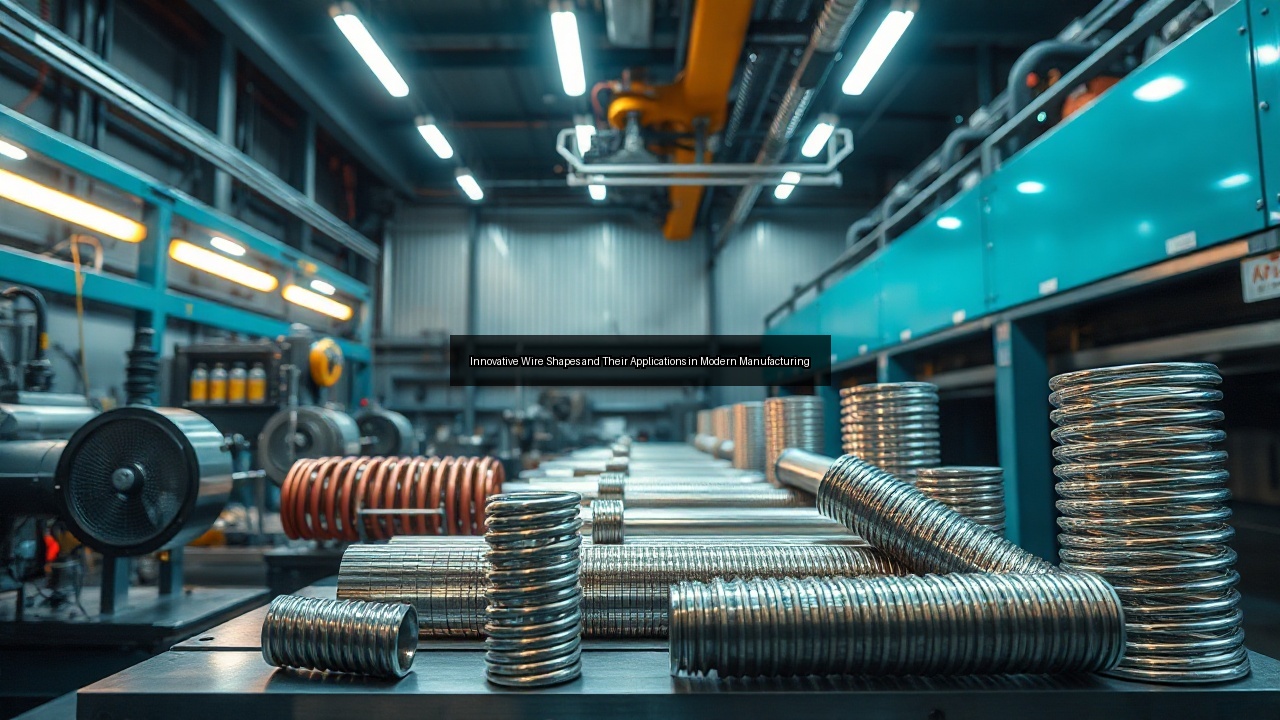
Understanding Wire Forming Techniques
Overview of Wire Forming Processes
Wire forming processes shape metal stock into precise configurations through bending, cutting, and twisting operations. Engineers start with raw wire and apply controlled force to create custom profiles that meet exact specifications. The wire forming process relies on consistent material feed and accurate tooling to produce parts like hooks, clips, and frames. Manufacturers track every stage with detailed information to maintain quality across production runs. Wire drawing often precedes forming to achieve the desired diameter before any shaping begins. This preparation ensures the wire responds predictably under pressure during subsequent steps.
Modern facilities integrate extrusion techniques early in the sequence to refine surface finishes and remove imperfections. Extrusion helps align grain structure in steel wires, improving strength for demanding applications. Operators monitor coil feed rates closely because uneven tension leads to defects. The entire workflow emphasizes repeatability so that each batch matches the previous one without variation in geometry or mechanical properties.
Common Wire Forming Methods
Common wire forming methods include four-slide forming, CNC bending, and manual jig work. Four-slide machines handle high-volume runs by performing multiple bends in a single cycle. CNC systems deliver flexibility for complex shapes that require tight tolerances. Operators program the machine once and then let computer numerical control repeat the sequence reliably. Threading operations often follow bending when parts need attachment points or adjustable features. Coil springs emerge from winding methods that wrap wire around mandrels at controlled pitches.
Each method suits different production scales. High-speed coil winding creates compression and extension springs for automotive and industrial equipment. Precision bending produces wire forms used in medical devices where cleanliness and accuracy matter most. Manufacturers select the technique based on part geometry, material hardness, and required surface finish. Proper method selection reduces scrap and shortens lead times.
Advantages of Wire Forming Techniques
Wire forming techniques deliver strength-to-weight advantages that solid bar machining cannot match. The process uses less material while preserving structural integrity through strategic bends and loops. Parts arrive ready for assembly after minimal secondary operations, cutting overall costs. Tight tolerances become achievable because the wire starts with uniform diameter and consistent metallurgy. Stainless steel responds especially well to these methods, resisting corrosion in harsh environments.
Designers gain freedom to iterate quickly during prototyping. They test multiple configurations without expensive tooling changes. The resulting wire forms integrate easily into larger assemblies, whether as retaining clips or load-bearing elements. Reduced weight also lowers shipping expenses and improves energy efficiency in end products. These benefits compound when production scales to thousands of units per month.
Innovative Wire Shapes in Manufacturing
Types of Wire Shapes and Their Uses
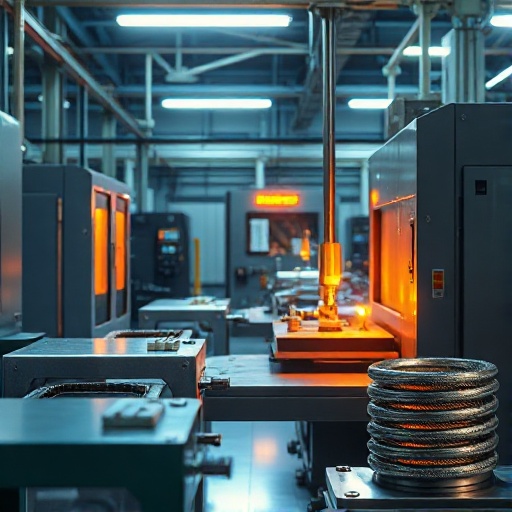
Wire shapes range from simple U-bends to intricate multi-plane configurations that replace machined brackets. Formed wire appears in everything from HVAC dampers to consumer electronics housings. Manufacturers create S-hooks, D-rings, and custom loops that secure components under vibration. Each shape solves a specific mechanical challenge while minimizing part count. Coil springs represent one of the most common wire forms because they store and release energy efficiently across millions of cycles.
Complex wire shapes now incorporate threading and end-forming in the same operation. This integration eliminates separate machining steps. Designers specify exact bend radii and leg lengths to fit tight spaces inside equipment. The resulting parts maintain consistent performance because the original wire diameter remains uniform throughout the shape.
Applications of Wire Forms in Various Industries
Wire forms serve automotive seating, agricultural machinery, and medical equipment with equal effectiveness. In aerospace, lightweight wire shapes reduce overall aircraft mass while meeting strict fatigue requirements. Steel wires withstand extreme temperatures and pressures found in jet engines and landing gear. Manufacturers also produce wire forming parts for point-of-sale displays and retail fixtures where visual appeal and low cost matter equally.
Medical device companies rely on formed wire for guidewires and stent frames. The process allows rapid changes during prototyping so engineers can refine geometry based on clinical feedback. Agricultural equipment uses heavy-gauge wire forms for bale ties and fencing components that endure outdoor exposure. Across all sectors, wire forming capabilities let companies replace castings or stampings with lighter, more economical alternatives.
Impact of Wire Diameter on Forming Techniques
Wire diameter directly influences which forming techniques remain viable. Thinner diameters allow tighter radii without cracking but require careful handling to avoid kinking. Thicker diameters demand greater force and sometimes preheating to maintain ductility. Engineers adjust machine settings and tooling clearances according to the starting diameter to stay within specified tolerances. Stainless steel in larger diameters needs robust machines capable of sustained pressure without deflection.
Selecting the correct diameter early in design prevents costly redesigns later. Prototyping with multiple diameters reveals how each affects spring rate in coil springs or deflection in cantilever shapes. Manufacturers keep detailed records of diameter variations because even small changes alter final part performance. This attention to detail ensures every production run meets engineering requirements without deviation.
Materials Used in Wire Forming
Stainless Steel vs. Other Materials
Stainless steel dominates wire forming because it combines corrosion resistance with good formability. Grades 304 and 316 handle repeated bending without work hardening excessively. Carbon steel offers lower cost for applications where rust protection comes from plating or coating. Aluminum wire provides weight savings but requires different tooling to prevent surface marring during forming operations.
Material choice affects every downstream process including heat treatment and finishing. Stainless steel maintains strength at elevated temperatures, making it suitable for aerospace components near engines. Other alloys such as Inconel appear when extreme heat or chemical exposure rules out standard steel. Engineers compare tensile strength, elongation, and surface condition before finalizing any material for a new wire form.
The Role of Steel Wires in Manufacturing
Steel wires serve as the backbone for countless assemblies because they deliver predictable mechanical properties at competitive prices. High-carbon grades excel in coil springs that must resist fatigue over long service lives. Manufacturers draw steel wire to precise diameter tolerances before feeding it into forming machines. This preparation step removes scale and improves surface quality for better coating adhesion later.
Steel also accepts threading and end-forming operations without cracking. The material welds readily when assemblies require permanent joints. Automotive suppliers specify steel wire forms for seat frames and brake components where cost and strength must balance. Consistent quality from reputable suppliers ensures that every coil meets the same specifications throughout a production campaign.
Selecting the Right Material for Wire Forms
Selecting the right material starts with defining operating environment, load requirements, and cost targets. Engineers review corrosion data, temperature limits, and fatigue curves before approving any grade. Prototyping helps validate choices because real-world conditions often differ from laboratory predictions. Stainless steel frequently wins for visible or sanitary applications, while coated carbon steel suffices for hidden structural uses.
Brand reputation of the wire supplier matters when traceability and certification documents become necessary. Buyers request mill certificates that list exact chemistry and mechanical test results. This information supports regulatory compliance in aerospace and medical markets. Proper material selection at the outset reduces scrap rates and prevents field failures that damage brand reputation.
Prototyping and Engineering in Wire Forming
Importance of Prototyping in Wire Design
Prototyping lets engineers verify form, fit, and function before committing to production tooling. Quick iterations reveal interference issues or stress concentrations that drawings alone cannot show. Teams produce sample wire forms on the same machines intended for volume production, ensuring the process scales without surprises. Feedback from these trials drives refinements in bend angles and leg lengths.
Early prototypes also confirm material behavior under actual forming conditions. Stainless steel may spring back differently than predicted, requiring adjustment of overbend allowances. Documenting each prototype iteration creates a knowledge base that accelerates future projects. This disciplined approach shortens overall development time and improves first-article acceptance rates.
Engineering Considerations for Wire Shapes
Engineering considerations include bend radius limits, residual stress management, and end-condition requirements. Sharp bends in high-strength steel can initiate cracks, so designers specify minimum radii based on diameter and grade. Threading locations must avoid previously work-hardened zones to prevent tool breakage. Engineers calculate expected deflection and load capacity using finite element analysis before releasing any design.
They also plan for secondary operations such as welding or heat treating that may alter dimensions. Clear communication between design and manufacturing teams prevents tolerance stack-ups that render parts unusable. Every decision traces back to the functional requirements of the final assembly.
Tolerances and Precision in Wire Forming
Tolerances in wire forming depend on material consistency, machine capability, and operator skill. CNC equipment routinely holds angular tolerances of one degree and linear tolerances of 0.5 millimeters on formed wire. Tighter requirements call for in-process gauging and statistical process control. Manufacturers verify diameter at multiple points along each coil to catch variations before they affect finished parts.
Precision matters most in aerospace and medical applications where failure carries high consequences. Regular calibration of machines and inspection fixtures maintains the required accuracy over time. Teams track capability indices to demonstrate that processes remain stable and centered within specification limits.
Advancements in Wire Forming Technology
Role of Computer Numerical Control (CNC) Machines
Computer numerical control machines transformed wire forming from a manual craft into a repeatable manufacturing science. Operators upload CAD data directly to the controller, eliminating manual setup errors. Multi-axis CNC systems produce complex three-dimensional shapes in one cycle that previously required several separate operations. Quick changeover between jobs supports smaller batch sizes without sacrificing efficiency.
Software also simulates the forming sequence to identify potential collisions or overbends before any metal moves. This virtual validation reduces scrap during initial runs. Modern CNC platforms integrate with enterprise systems to track production metrics and schedule preventive maintenance automatically.
The Future of Wire Forming in Aerospace
Aerospace manufacturers increasingly adopt wire forming for brackets, conduits, and sensor mounts that must survive extreme conditions. Advanced alloys and improved CNC capabilities allow tighter weight targets without compromising safety margins. Engineers explore hybrid processes that combine wire forming with additive manufacturing to create integrated assemblies. These innovations promise further reductions in part count and assembly time.
Research continues into real-time monitoring of forming forces to detect tool wear before it affects part quality. Aerospace certification requirements drive investment in traceability systems that record every parameter from coil receipt through final inspection. The sector’s demand for precision accelerates technology adoption across the broader wire forming industry.
Innovative Applications of Wire Forms in Modern Manufacturing
Wire forms now appear in electric vehicle battery trays, robotic end-effectors, and modular furniture systems. The combination of low material usage and high strength supports sustainability goals by reducing overall product mass. Manufacturers experiment with variable-diameter wire that changes cross-section along its length to optimize stress distribution. Such profiles were impractical before recent advances in drawing and forming equipment.
Integration with robotics allows lights-out production of high-volume wire shapes while maintaining consistent quality. Data analytics applied to machine parameters predict maintenance needs and optimize cycle times. These developments keep wire forming competitive against newer fabrication methods while expanding the range of viable applications across every manufacturing sector.
See Also
- From Prototyping to Production Exploring Wire Forming Capabilities
- Mastering Wire Forming Techniques for Precision Engineering Projects
- The Evolution of Wire Forming in Aerospace Applications
- Understanding Wire Forming Tolerances for High-Quality Outputs
- Creating Custom Coil Springs Through Expert Wire Forming Methods